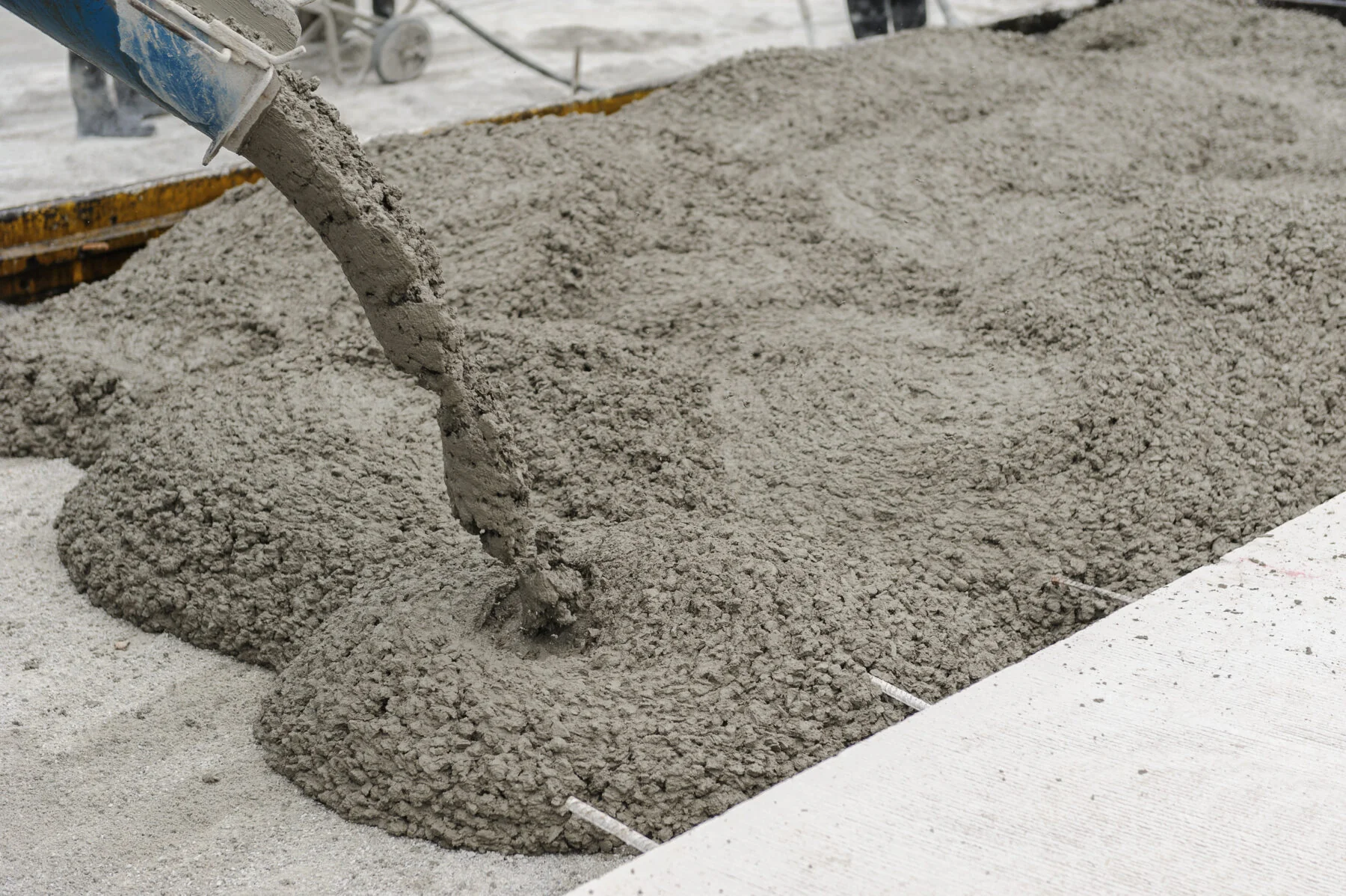
Concrete is one of the most durable investments you can make in your home — but only if it's planned, installed, and maintained correctly. These 10 tips come from years of working with homeowners across Northwest Arkansas and surrounding areas who've asked the right questions, made avoidable mistakes, and everything in between.
1. Always Get a Written Estimate with Specs
Never accept a verbal quote. A written estimate should spell out the concrete PSI, thickness, reinforcement type, sub-base preparation, and finish. If a contractor gives you a price without those details, you have no way of knowing what you're actually buying. Compare apples to apples — not just total dollars.
2. Sub-Base Preparation Is More Important Than the Concrete
Concrete is only as good as what it's sitting on. Poorly compacted or inadequate sub-base is the #1 cause of cracked, settled concrete slabs. A responsible contractor will excavate to the right depth and install a properly compacted gravel base before any concrete is poured. Ask about it specifically.
3. Thicker Is Almost Always Worth It
Standard residential driveways are 4 inches. For anything heavier — trucks, RVs, heavy equipment — go to 5 or 6 inches. The additional material cost is modest; the long-term performance difference is significant.
4. Reinforce Every Pour
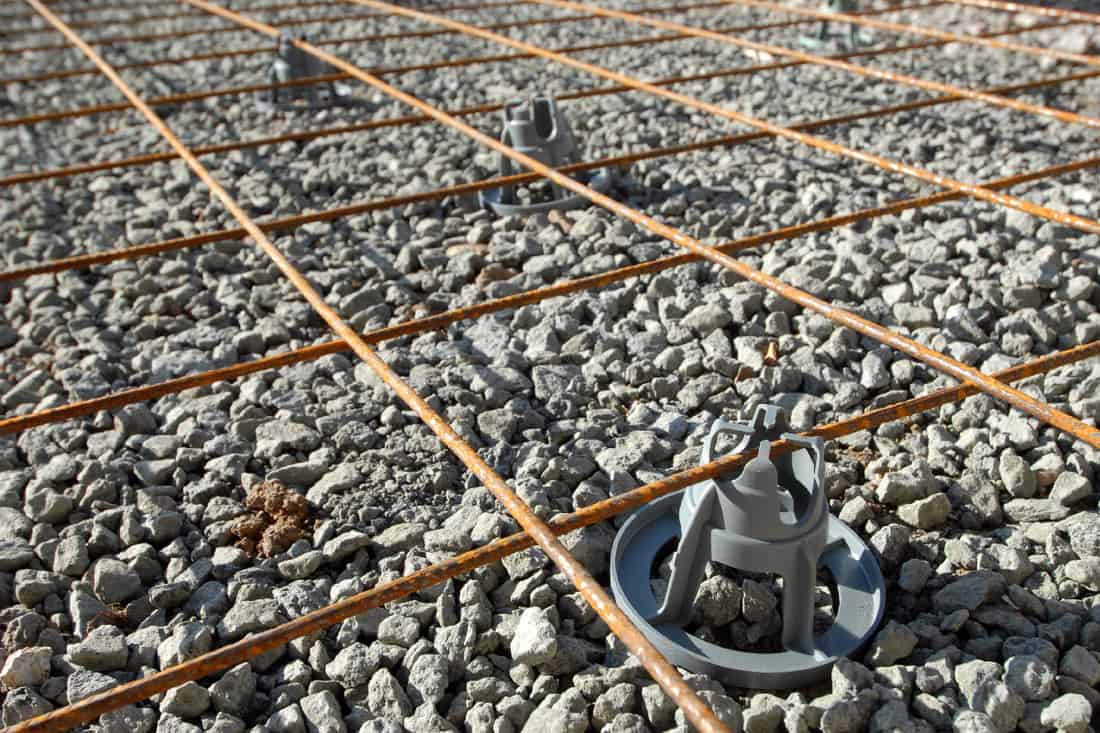
Unreinforced concrete cracks more readily and more severely than reinforced concrete. Ask whether your pour will include rebar, wire mesh, fiber reinforcement, or a combination. For anything structural, reinforcement is non-negotiable.
5. Control Joints Control Cracking
Concrete always cracks as it cures and moves with temperature changes. Control joints — grooves cut into the surface — give the concrete a predetermined place to crack that's controlled and manageable. Driveways should have control joints every 8–10 feet. Patios and slabs need joints sized to the slab dimensions. Ask your contractor about the joint plan.
6. Understand Cure Time Before You Walk on It
Freshly poured concrete is not immediately hard. Light foot traffic can typically begin after 24–48 hours, but you should wait 7 days before placing heavy furniture or vehicles on it. Full curing strength takes 28 days. Driving on fresh concrete too soon can leave permanent marks and compromise the surface.
7. Seal It — and Reseal on Schedule
A quality penetrating or film-forming sealer applied shortly after installation protects the surface from moisture, staining, and UV degradation. For standard concrete, reseal every 3–5 years. For stamped or colored concrete, every 2–3 years. It's the single most cost-effective maintenance step you can take.
8. Don't Use Rock Salt as a De-Icer
Western Arkansas doesn't get severe ice events often, but when it does, sodium chloride de-icers (rock salt) can accelerate surface scaling on concrete. Use sand for traction or calcium magnesium acetate (CMA) as an alternative. Keep rock salt away from decorative and sealed surfaces especially.
9. Address Cracks Early
A hairline crack that's stable is cosmetic. A crack that's widening, shifting vertically, or spreading indicates movement in the sub-base that won't fix itself. Fill stable cracks with a polyurethane joint filler at resealing time. Have widening cracks evaluated by a contractor before they become structural problems.
10. Ask About a Written Warranty
Most concrete contractors in Western Arkansas offer no written warranty. A written warranty — one that states in plain language what's covered, for how long, and under what conditions — is a meaningful indicator of a contractor's confidence in their own work. Don't settle for a verbal promise. USA Concrete Co. provides a written warranty on every project. Call or text (479) 551-1642 to get started.