Ask most people what their driveway is made of and they'll say "cement." Ask a concrete contractor and they'll quietly correct you. Cement and concrete are not the same thing — and understanding the difference can help you ask better questions when getting bids and understand what you're actually paying for.
What Cement Actually Is
Cement is a fine gray powder made primarily from limestone, clay, and other minerals that are heated in a kiln at extreme temperatures and then ground down. It's a binding agent — on its own it doesn't do much until it meets water. The most common type used in construction is Portland cement, developed in the 19th century and still the foundation of the industry today.
Cement activates through a chemical reaction called hydration. When water is added, the powder begins to harden and bond. This process generates heat and continues for weeks — which is why freshly poured slabs are kept moist and why concrete takes time to reach full strength.
What Concrete Actually Is
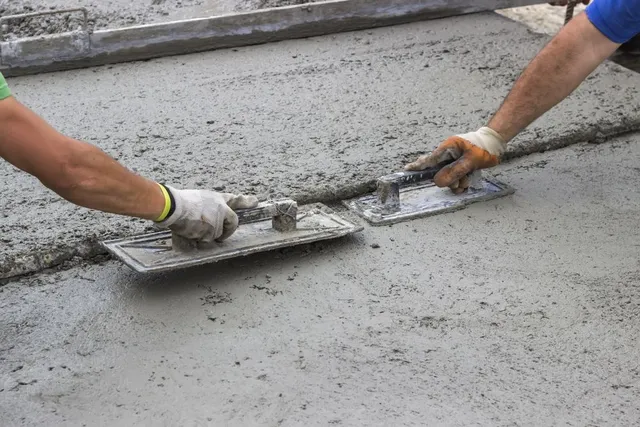
Concrete is the finished building material — a mixture of cement, water, sand (fine aggregate), and gravel or crushed stone (coarse aggregate). Cement is the glue; concrete is the structure. The ratio of those four ingredients determines the strength, workability, and durability of the final product.
A standard residential driveway in Western Arkansas is typically poured at 3,500–4,000 PSI — meaning the concrete can withstand that much compressive pressure per square inch before failing. Higher PSI mixes are used for commercial parking lots and heavy industrial slabs.
Why the Ratio Matters
Too much water in a concrete mix is one of the most common ways projects go wrong. More water makes the mix easier to pour and work, but it also reduces strength and increases the chance of cracking, scaling, and surface dusting. A reputable contractor uses admixtures to improve workability without adding excess water.
Reinforcement: The Other Half of the Story
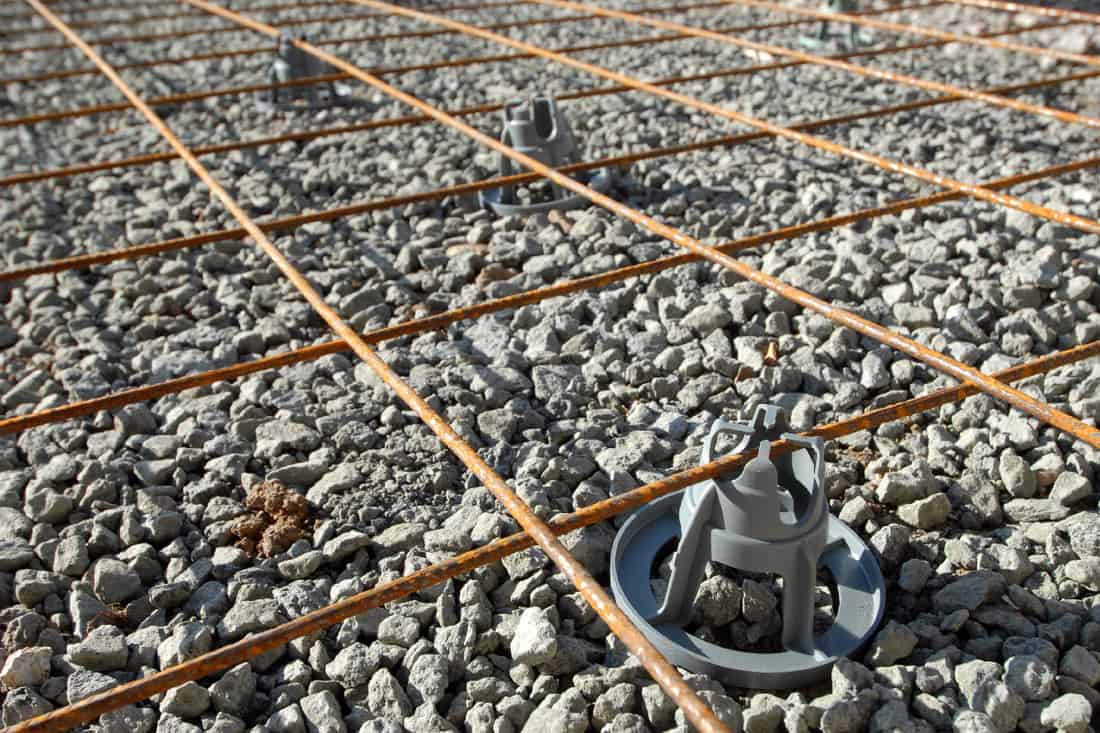
Concrete is strong in compression but weak in tension — meaning it can handle weight pushing down on it but cracks more easily under bending forces. That's why most structural concrete is reinforced with steel rebar or wire mesh, which carries the tensile load. Fiber reinforcement is also common in residential work.
What This Means for Your Project
When you're getting estimates for a driveway, patio, or slab, ask about the PSI of the concrete mix and the reinforcement plan. Both directly affect how long the surface will last and how it will hold up to Western Arkansas weather — freeze-thaw cycles, heavy rain, and summer heat. We're happy to walk you through the specs at your free estimate. Call or text (479) 551-1642.