Western Arkansas doesn't experience the prolonged deep freezes of northern states, but occasional hard freezes and freeze-thaw cycles still affect concrete surfaces. A few simple precautions each winter can significantly extend the life of your driveway and patio.
Avoid Rock Salt
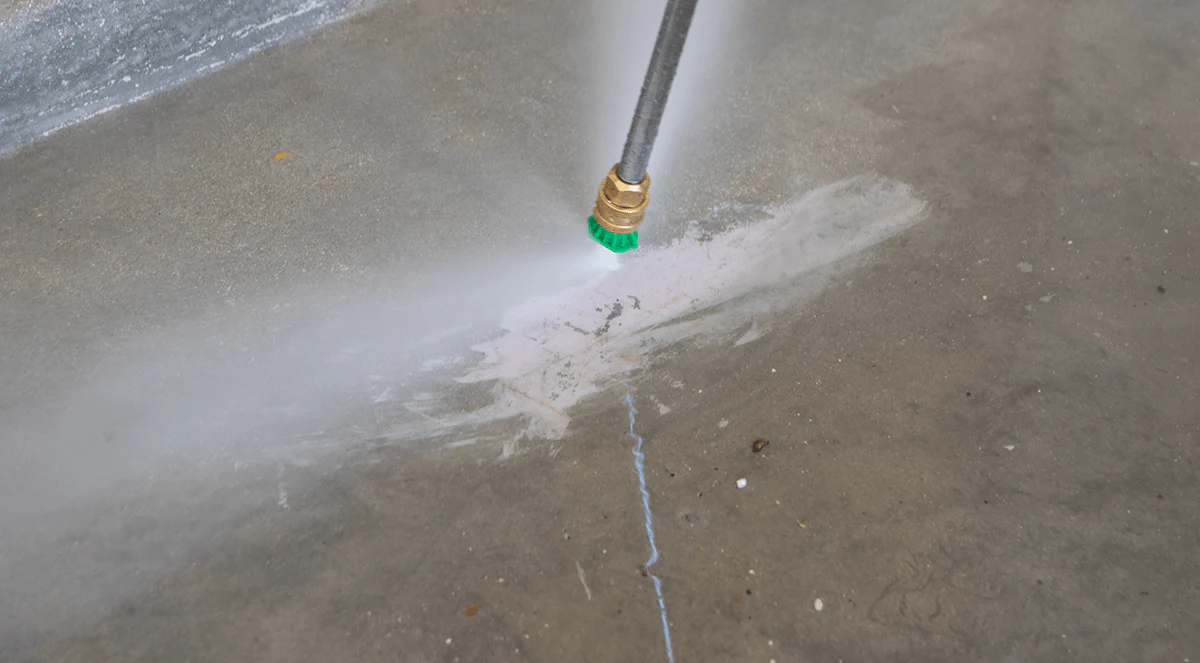
This is the most important winter concrete rule: do not use rock salt (sodium chloride) as a de-icer. Salt increases the frequency and severity of freeze-thaw cycles in the concrete surface by lowering the freezing point of water. The result is accelerated surface scaling and spalling — the top layer of concrete flaking off. This is permanent and cosmetically damaging. Rock salt is cheap but costly to your concrete.
Safe De-Icing Alternatives
Sand provides traction without chemical damage — it's always a safe choice. If you need a de-icing chemical, look for products labeled safe for concrete: calcium magnesium acetate (CMA) or potassium chloride are gentler options than sodium chloride. Avoid anything containing urea (fertilizer-based de-icers) — these also cause concrete surface degradation.
Clear Standing Water Before a Freeze
Water that pools on a driveway surface before a freeze expands when it freezes and works into any existing surface cracks, widening them. After heavy rain with a freeze forecasted, sweeping or blowing standing water off the slab takes 5 minutes and prevents meaningful damage.
Seal Before Winter
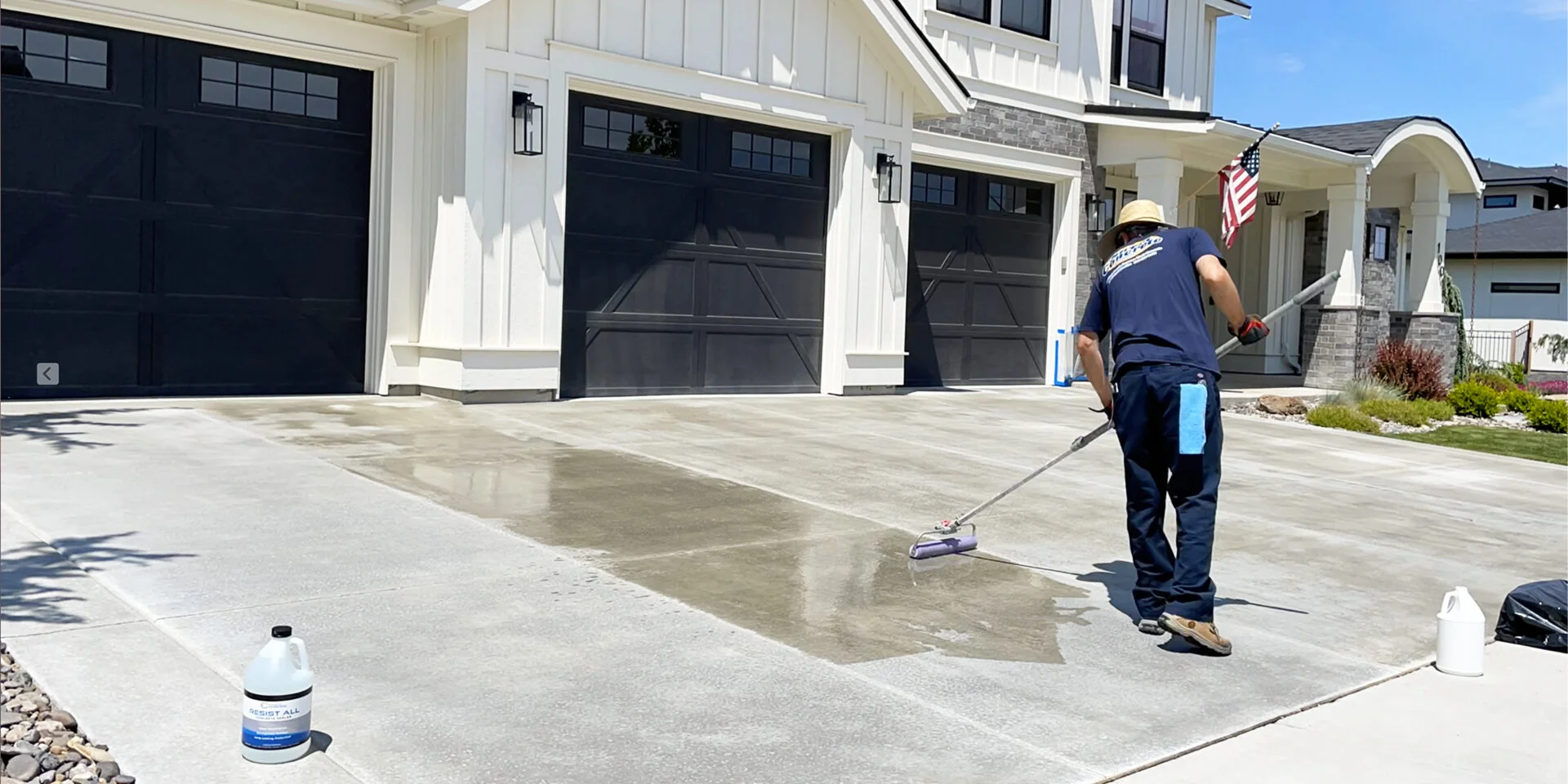
If your driveway is due for sealing, doing it in early fall — before temperatures drop consistently below 50°F — gives the sealer time to cure and provides a protective barrier going into winter. A good sealer reduces moisture penetration and therefore reduces freeze-thaw damage significantly. Questions? Call (479) 551-1642.