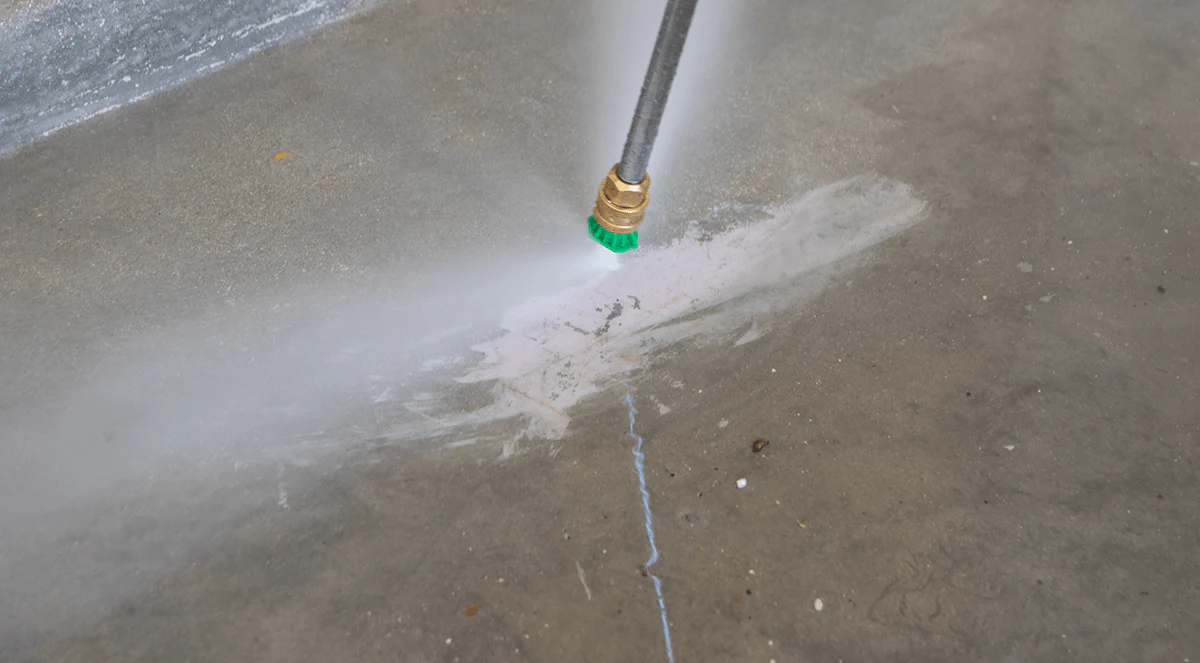
Concrete flaking — technically called scaling or spalling — is when the top layer of a concrete surface begins to peel away in flakes or sheets. It's one of the most common complaints about aging driveways and patios, and it's almost always preventable with the right original installation and ongoing care.
What Causes Concrete to Flake
The most common causes are: freeze-thaw cycles — water entering the surface pores, freezing, expanding, and forcing the surface layer apart; deicing salts — rock salt dramatically accelerates freeze-thaw damage at the surface; concrete finishing errors — overworking the surface during finishing (excessive troweling or adding water to the surface while finishing) creates a weak surface layer that is prone to delamination; and poor concrete mix — low air-entrainment concrete is more vulnerable to freeze-thaw scaling.
How to Prevent It
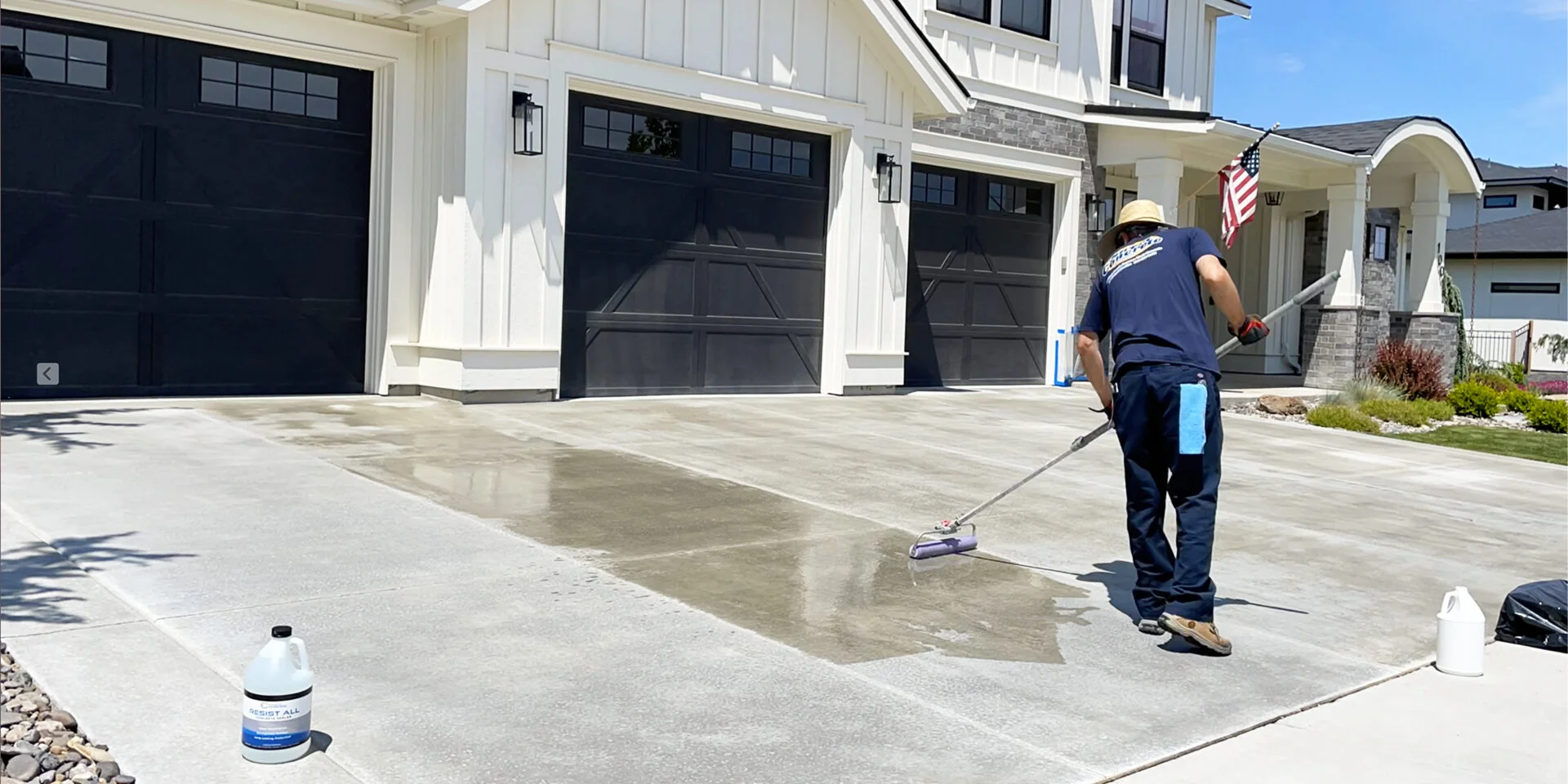
Prevention starts with the original installation: quality concrete mix, proper air entrainment, correct water-to-cement ratio, and finishing techniques that don't compromise the surface layer. Ongoing prevention involves never using rock salt on your concrete surfaces and sealing every 2–4 years to reduce water penetration.
What to Do When It's Already Happening
Minor surface scaling can be addressed with a concrete resurfacer — a thin overlay that bonds to the existing slab and provides a new wear surface. For significant scaling that affects the structural integrity of the slab, replacement is often the more practical long-term solution.
Was It a Contractor Problem?
Sometimes premature scaling is the result of workmanship errors — improper finishing or a weak mix — not maintenance failures. If your concrete is scaling within the first 5–10 years, it's worth a professional opinion. Call (479) 551-1642 for an honest assessment.