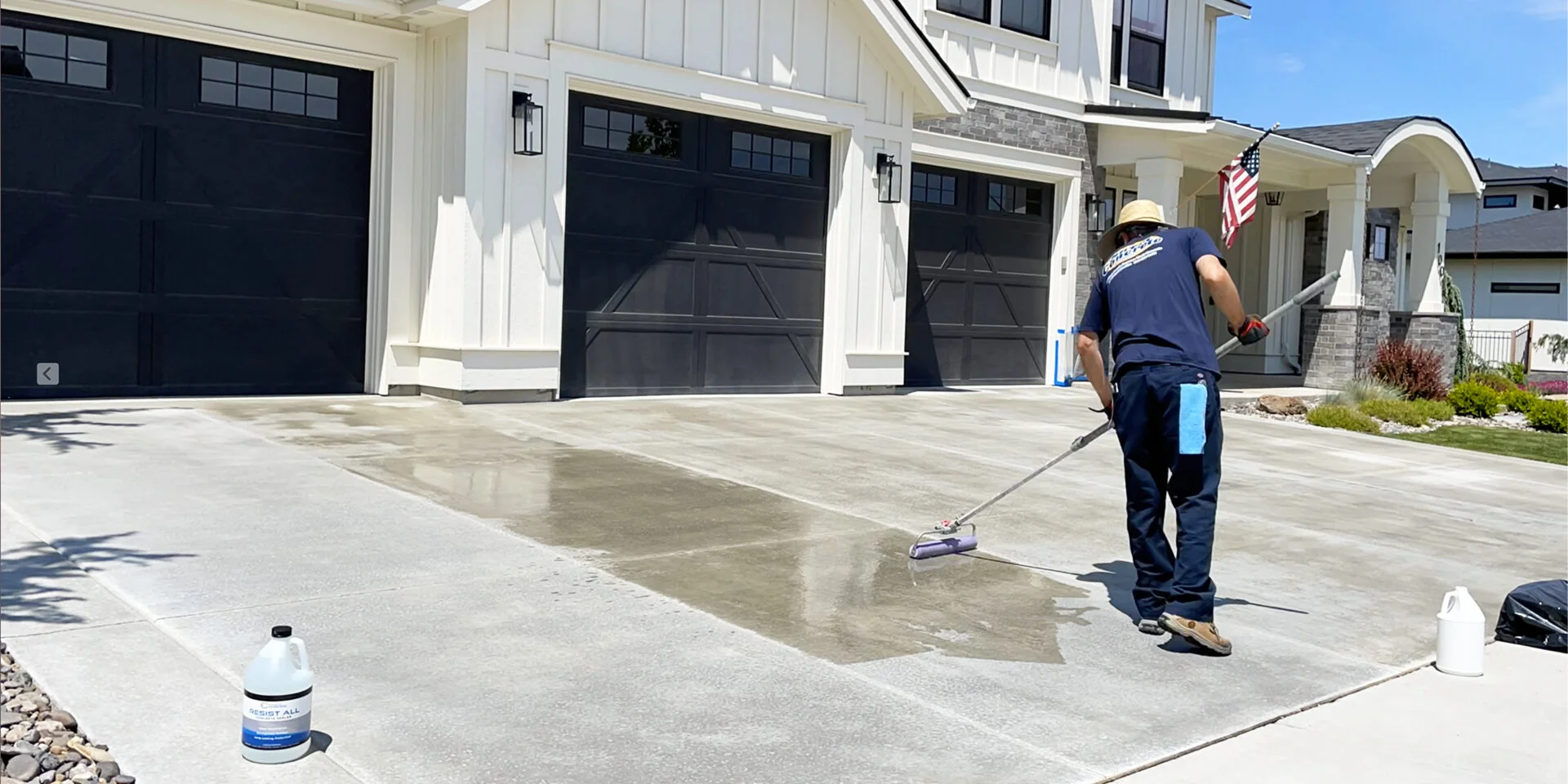
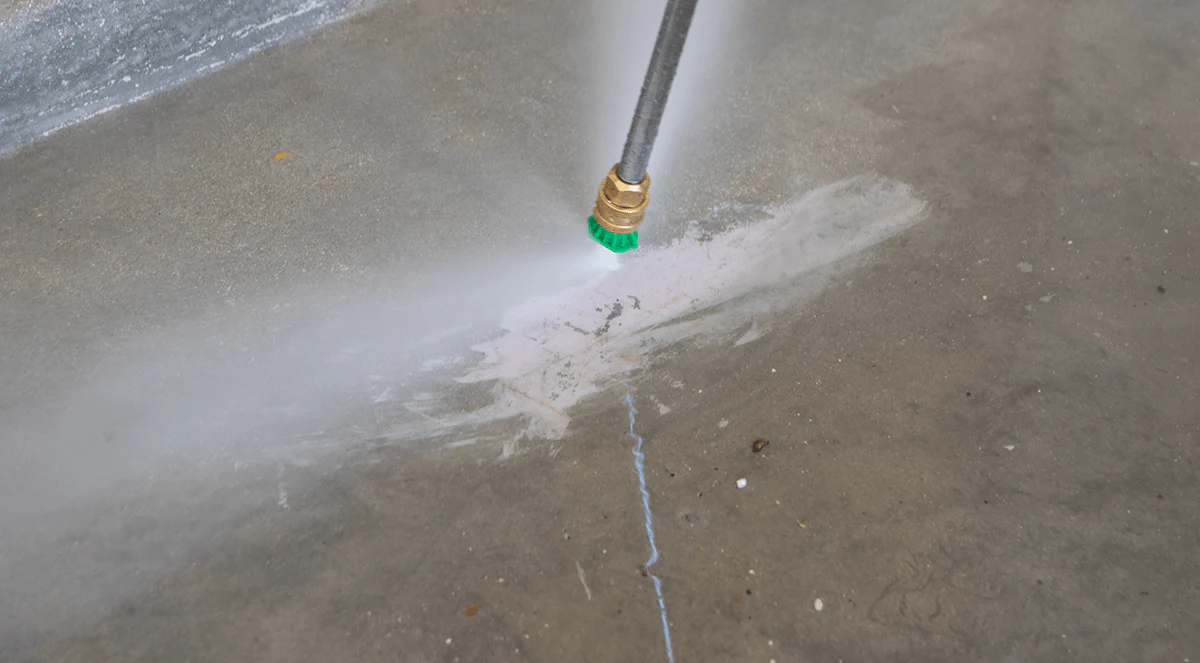
The short answer: yes, sealing concrete is genuinely beneficial — not just a maintenance upsell. But how necessary it is depends on the application, exposure conditions, and what you want the long-term outcome to be.
What Sealing Actually Does
Concrete is naturally porous — it absorbs water, oils, stains, and de-icing chemicals through its surface. A sealer reduces this porosity. The practical benefits are: less water penetration (which means less freeze-thaw damage and less efflorescence), better stain resistance, protection for decorative finishes like stamped and colored concrete, and in the case of topical sealers, an improved surface appearance.
When It's Most Critical
Sealing is most important for: colored or stamped concrete — the sealer protects both the color and the pattern from surface abrasion and UV fading; driveways and patios in cold climates where freeze-thaw cycles are a factor; and any surface near a pool where chemical exposure is ongoing. For a basic broom-finished driveway in a mild climate with no decorative finish, sealing is still beneficial but less urgent.
When It's Optional
Interior slabs, garage floors in heated spaces, and concrete in very dry climates see less benefit from sealing. The threats that sealing addresses — moisture penetration, freeze-thaw, staining — are less present in controlled environments.
What Happens If You Never Seal
Concrete without sealing will still last decades if it was installed correctly. But it will stain more easily, may develop more surface scaling over time, and won't look as good as long as sealed concrete. Sealing is relatively inexpensive insurance on a significant investment. Questions? Call (479) 551-1642.