The garage floor is one of the most-used concrete surfaces on any property — and one of the most overlooked when it comes to quality. A properly installed concrete garage floor handles vehicle traffic, chemical spills, heavy equipment, and decades of daily use without cracking or deteriorating. Get it wrong and you're patching and grinding within a few years.
What Separates a Good Garage Floor From a Poor One
Three things determine the long-term performance of a garage floor: sub-base preparation, concrete thickness, and reinforcement. Skimping on any of them saves money upfront and costs much more later.
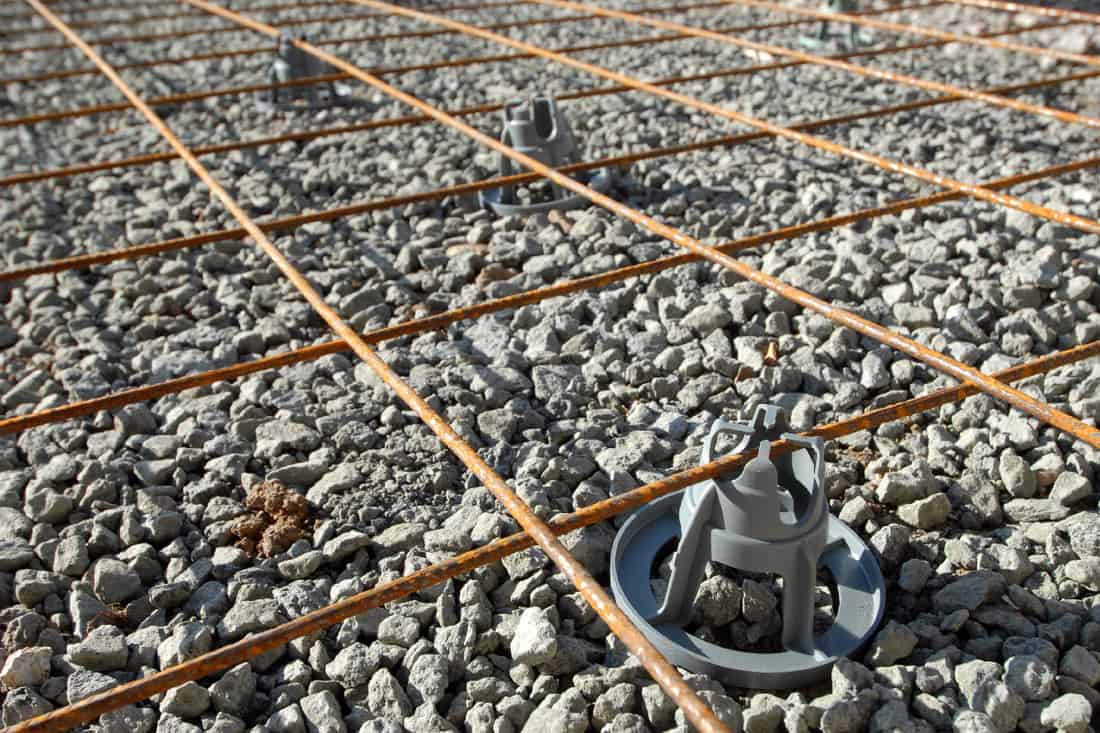
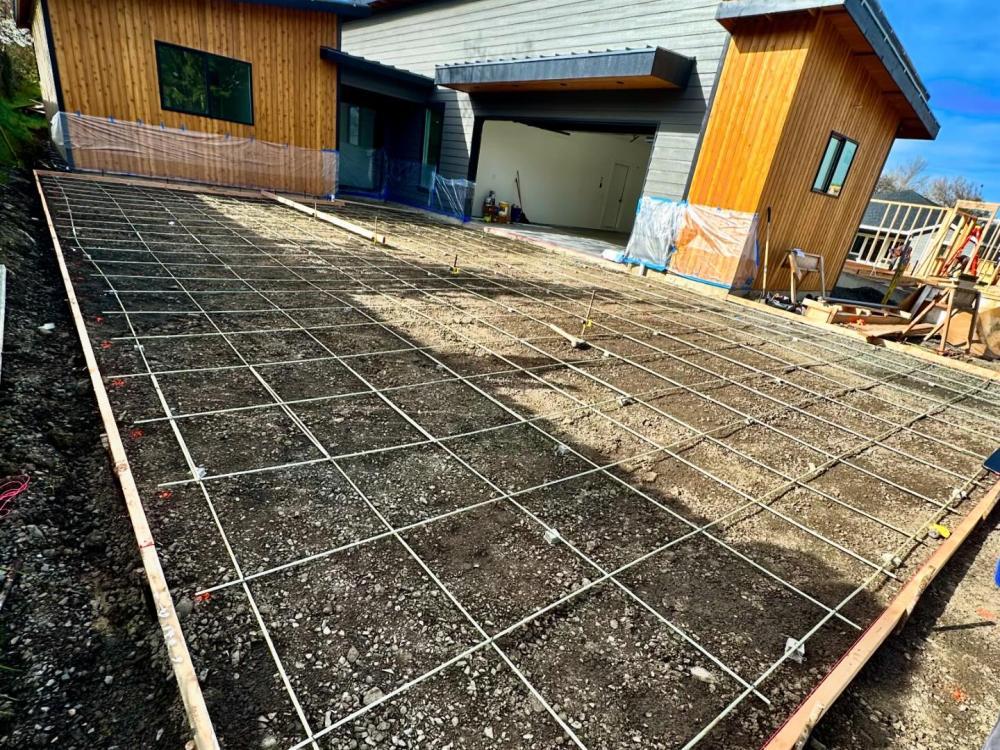
Sub-base preparation means compacting the soil and installing a properly graded gravel base before any concrete is poured. Concrete poured directly onto loose or inadequately compacted soil will crack as the ground settles beneath it — often within the first few years.
Thickness: What's Enough?
The standard minimum for a residential garage floor is 4 inches. If you're storing anything heavier than a standard passenger vehicle — a truck, RV, trailer, or workshop equipment — bump that to 5–6 inches, especially in areas where the heavier load will sit consistently. Thicker concrete costs more per yard but lasts significantly longer under load.
Reinforcement Options
Welded wire mesh and rebar grids are the traditional reinforcement choices for garage floors. Fiber reinforcement (synthetic or steel fibers added directly to the mix) is increasingly common and helps control shrinkage cracking throughout the entire slab rather than just at reinforcement points. Many contractors use a combination: fiber in the mix plus wire mesh or rebar for added structural integrity.
Control Joints and Curing
Control joints are saw-cut or tooled grooves that direct where the concrete will crack as it cures and settles. Without them, cracking happens randomly. With properly spaced control joints, any cracking occurs at the joints where it's expected and managed. A garage floor should be cut within 24 hours of the pour to be effective.
Curing — keeping the surface moist for several days after the pour — is one of the steps most often skipped on budget jobs. Proper curing dramatically increases surface hardness and long-term durability. We use curing compounds on every pour to ensure the concrete develops its full strength.
Finish Options for Garage Floors
The most common garage floor finish is a medium broom finish — it provides traction, sheds water, and is easy to clean. For a more finished look, a hard trowel finish creates a smooth, dense surface that's easier to sweep and looks more polished. If you're planning to apply an epoxy coating later, the slab will need to be ground or acid-etched first regardless of the original finish.
Drainage Slope
A slight slope toward the garage door (typically 1/8 inch per foot) keeps water from pooling at the back of the garage. This is especially important in Western Arkansas where heavy rain events can send runoff toward the structure. We design drainage slope into every garage floor pour.
What Does a Garage Floor Cost in Northwest Arkansas?
For a standard two-car garage (approximately 400–500 sq ft), expect to pay $2,000–$4,000 depending on thickness, soil conditions, access, and finish. That range includes demolition if there's an existing slab. We provide free written estimates — call or text (479) 551-1642 to schedule yours.